DINING TRENDS · ACCRA
The New Accra Luxury: Why More Households Are Choosing Not to Cook Every Day
Dinner without daily shopping, cooking or cleanup? Ghana’s changing ordering habits suggest that convenience and personalized dining are becoming part of the lifestyle conversation.
By Nkwa Dua Editorial · November 2026 · Lifestyle and consumer trends
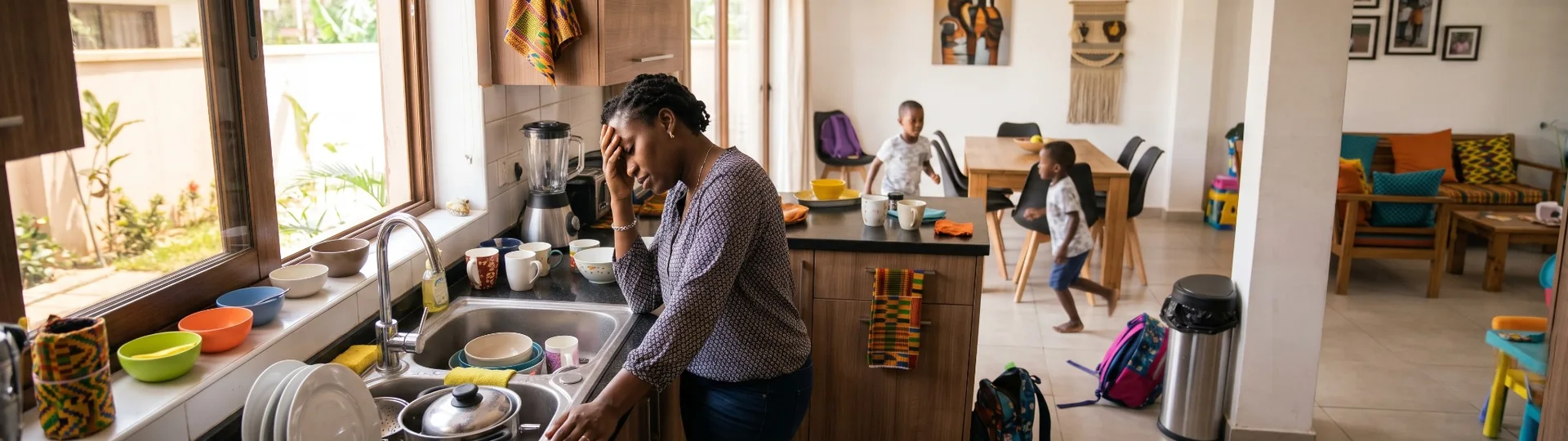
A home-cooked meal used to be a familiar measure of domestic success. But what happens when success starts to look like having an excellent dinner ready without ever turning on the stove? Across Accra, changing ordering habits are challenging the old assumption that everyday meals must be prepared by someone in the household.
This is not a claim that wealthy Ghanaians have collectively stopped cooking. There is no reliable public survey demonstrating that. What the available evidence does show is an expanding convenience economy, faster growth in weekday food delivery, and rising interest in curated dining experiences. Together they raise a more intriguing question: could having control over your evenings become a modern form of luxury?
The numbers behind Accra’s changing dinner habits
According to Bolt Food figures reported in August 2026, weekday lunch orders increased 15%, midweek dinner orders grew 25%, and average ordering frequency rose 22% over six months. These are platform figures, not a census of all households in Ghana. But they are evidence that customers on the platform are increasingly ordering food as part of normal weekly life rather than reserving it for weekends.

In February, Bolt Food also reported 30% year-on-year growth in 2025. The change is about more than whether a customer can order jollof with a few taps. It is about expectations: food should fit around a working day, the school run, social engagements and time spent with family. For providers, the opportunity is to offer an experience that feels deliberate and dependable, not merely fast.
Luxury is changing from what you own to what you don't have to do
The High Street Journal described Ghana’s expanding convenience economy in terms of consumers paying to recover time through deliveries, transport, cleaning and other services. The phrase “buying back time” is particularly revealing. A household with disposable income can spend on visible status symbols, or it can invest in reducing repeated everyday decisions.
A well-prepared meal can satisfy hunger. A thoughtfully coordinated food routine can also remove the need to make another shopping list, negotiate everyone’s dinner choice, stand over a stove and clean after a long day. That distinction matters. It helps explain why a personalized food service might compete not only with restaurants, but with the work involved in running a kitchen.
Not just delivery. Curated dining is gaining attention
FROM THE NKWA DUA KITCHEN · CHEFSELECT
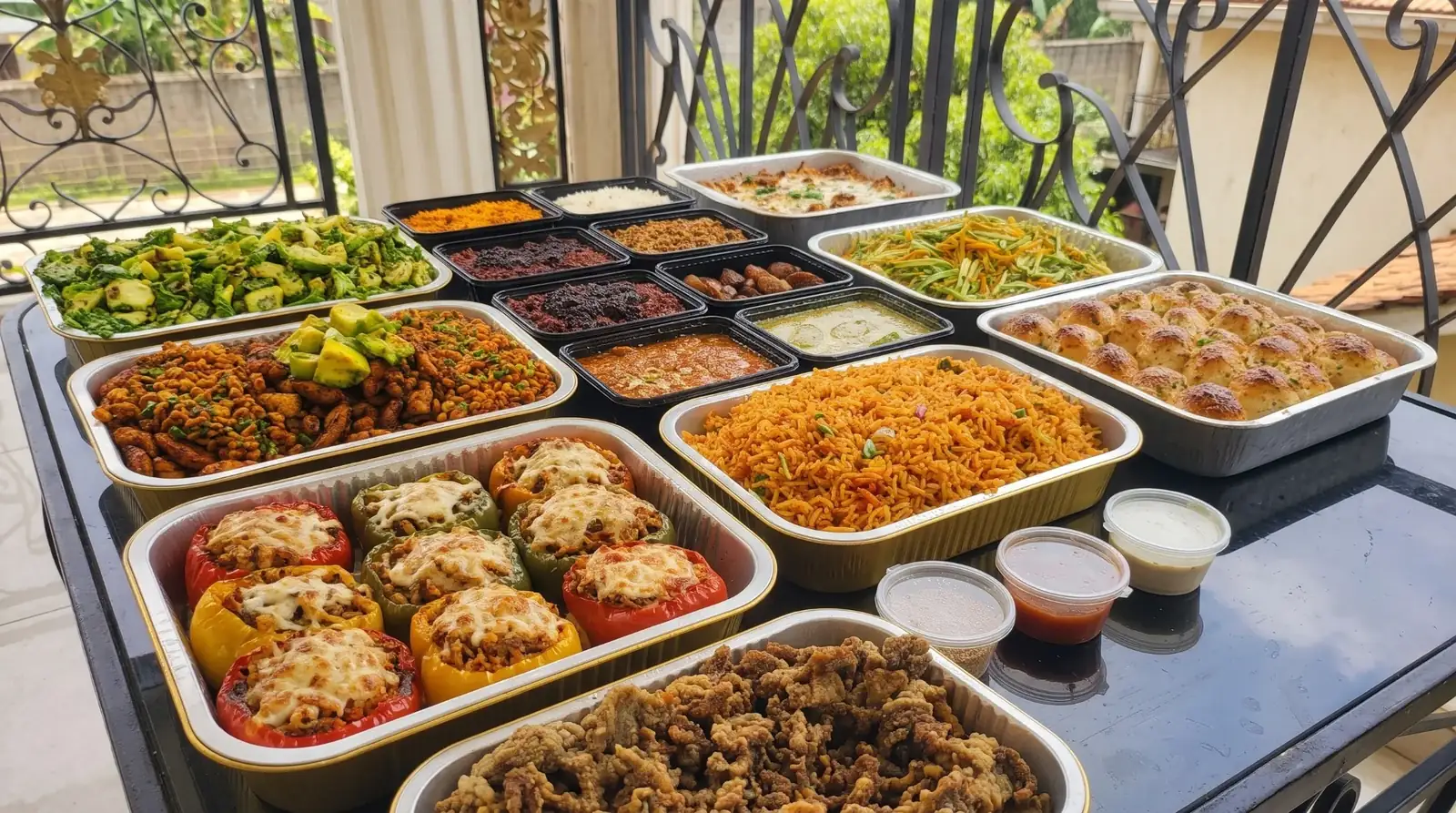
A personally curated selection of chef-prepared meals, designed around your household’s tastes, schedule and food budget.
At the more experiential end of the market, Business Traveller reported in June 2026 that chef-led supper clubs and intimate, ticketed dining experiences were drawing interest from corporate travellers and local food enthusiasts in Accra. Some take place in private homes and feature contemporary interpretations of Ghanaian and West African ingredients.
A supper club is not the same product as a weekly meal service, and neither is proof of a luxury-consumer boom. But both invite consumers to pay for a kind of care that goes beyond the ingredients: thoughtful menus, selection, presentation, hospitality and the pleasure of letting someone else manage the details. That is an important signal for culinary brands that want to distinguish themselves from commodity takeaway.
The new dinner question: who should be doing the work?
For some households, cooking together is the best part of the day. For others, making dinner on a Tuesday is another obligation competing with business, school and the desire to spend an evening together. The most relevant question is not whether cooking is good or bad. It is which parts of the food experience a household values and which tasks it would happily delegate.
Research on workdays and commuting in Greater Accra provides one reason time matters: paid employment, travel and household responsibilities can accumulate into long days. The research does not establish that affluent households use personal chefs, but it helps explain why removing repeated food tasks could appeal to busy professionals.
A service that saves only the last 30 minutes of cooking may be useful. A service that also resolves menu choices, accommodates preferences, coordinates portions and explains storage could deliver a much more meaningful change. The customer is not just buying food. The customer is buying simplicity, predictability and the freedom to choose where personal attention goes.
Why premium doesn't have to mean extravagant
The word premium can conjure extravagant dining rooms and elaborate courses. In everyday life, premium service may be as simple as receiving a suitable meal at the agreed time, having ingredients and restrictions handled thoughtfully, and knowing that tomorrow’s food is already settled. Reliability can be more valuable than spectacle.
That also changes how a food provider should communicate. Instead of leading only with a long menu or a list of prices, a provider can explain the problem it solves: several prepared meals without repeated shopping, cooking and decisions. The distinction is particularly relevant to households that want the variety of restaurant dining but the familiarity and flexibility of eating at home.
From single orders to a whole week of food
An individual delivery is built around one moment: what should we eat now? A curated weekly selection asks a different question: what would make the next several days easier and more enjoyable? The second requires a conversation about portions, preferences, dietary restrictions, scheduling, storage and budget.
It is also where businesses need to be precise. Not every household has refrigerator space for several meals, and not every food travels or reheats in the same way. A thoughtful provider should clarify how dishes are prepared, packaged and delivered, what can be customized, and how customers should store and serve the food.
ChefSelect and the experience of not cooking
At Nkwa Dua, ChefSelect offers a personalized approach to preparing a selection of meals around household preferences, food budget and practical needs. Rather than assuming every family wants the same standard dishes, the service begins by discussing what people actually enjoy. Chef Ama curates the selection within the scope of the available service.
That approach illustrates one response to Accra’s changing food expectations. It is not evidence that every affluent resident uses a chef or that meal delivery is universally the better option. It is a concrete example of how culinary businesses can compete through personalization, care and hospitality. Explore how ChefSelect works if an arranged food week is more appealing than a new dinner decision every day.
Are we entering an era of dinner without the daily kitchen shift?
The figures suggest that more Ghanaians are treating food delivery as an ordinary convenience, while curated experiences are making room for chefs to offer something beyond a restaurant table. What comes next will depend on value, trust, food quality, consistent service and whether providers genuinely make customers’ lives easier.
The provocative part is not that people might choose not to cook. It is that cooking has long been treated as the default measure of caring for a household. Perhaps the more modern measure is whether everyone can enjoy the meal, including the person who would otherwise have spent the evening preparing it.
Sources & reporting notes
2026 trend statistics come from Bolt Food’s reported platform data; they are not representative of all Ghanaian households or measured by wealth. Background and market context: Bolt Food 2025 performance, Business Traveller on Accra supper clubs, The High Street Journal on Ghana’s convenience economy, and Greater Accra work and commuting research. Nkwa Dua’s ChefSelect section is clearly labelled as a commercial example.